
FOOT DEFORMITIES

Foot Deformities Treatment in Hyderabad
Foot deformities can affect the shape, alignment and function of the foot. They may cause pain, pressure points, difficulty wearing shoes, changes in walking pattern and reduced mobility.
At The Foot Doctor, foot deformities are evaluated individually to understand their underlying cause and determine an appropriate treatment approach based on symptoms, structure and functional needs.
What Are Foot Deformities?
Foot deformities are structural or alignment changes that affect the bones, joints, toes, arches or other parts of the foot. Some deformities develop gradually, while others may be associated with injury, arthritis, neurological conditions, congenital factors or changes in foot mechanics.
A foot deformity does not always cause symptoms. However, some deformities can result in pain, pressure on certain areas of the foot, recurrent corns and calluses, difficulty fitting into shoes or changes in the way a person walks.
Treatment is based on the individual's symptoms, deformity, activity level and functional requirements.
Common Types of Foot Deformities
Foot deformities can affect the toes, forefoot, arch or overall alignment of the foot. Common conditions include bunions, hammertoes, claw toes, mallet toes, flat feet and high arches.
Bunions
A bunion is a structural change around the base of the big toe that can cause the toe to angle toward the other toes and create a prominent area on the side of the foot.
Bunion Treatment →Hammer Toes
A hammer toe involves an abnormal bend in one of the smaller toes. It may cause pressure and friction against footwear and can contribute to painful corns or calluses.
Toe Deformity Treatment →Claw Toes
Claw toes develop when the smaller toes become abnormally flexed at multiple joints. Depending on severity, they may affect walking and shoe comfort.
Learn About Toe Deformities →Mallet Toes
Mallet toe affects the joint closest to the end of the toe and may result in downward bending and increased pressure at the tip of the toe.
Explore Toe Treatment →Flat Feet
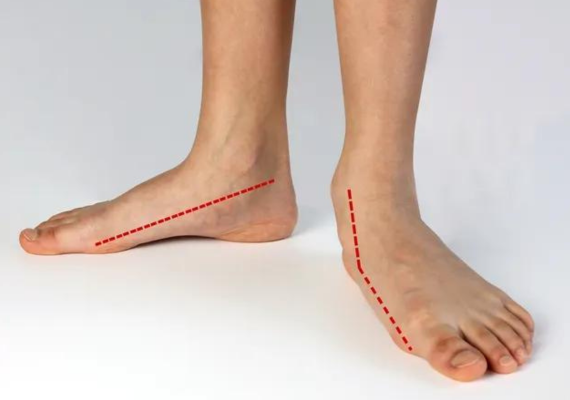
Flat feet involve a reduced or flattened arch. Some people have no symptoms, while others may experience foot fatigue, arch discomfort or changes in walking mechanics.
Flat Foot Treatment →High-Arched Feet
High arches can change how pressure is distributed across the foot and may contribute to discomfort, instability or pressure-related problems.
Other Foot Alignment Problems
Overlapping Toes
Toes may overlap or cross over adjacent toes, potentially causing pressure, rubbing and difficulty wearing certain footwear.
Crossover Toe
A crossover toe may develop when a toe gradually shifts toward or over another toe, potentially affecting comfort and foot function.
Cavovarus Foot
Cavovarus foot is characterised by a high arch combined with an inward alignment of the heel. Treatment depends on the severity and underlying cause.
Flexible Flat Foot
In some people, the arch appears when the foot is unloaded but flattens during standing or walking.
Rigid Flat Foot
A rigid flat foot remains structurally flattened and may be associated with pain, stiffness or restricted movement.
Post-Traumatic Deformity
Fractures or injuries that heal with altered alignment may sometimes result in a structural deformity of the foot or ankle.
What Causes Foot Deformities?
There is no single cause of foot deformities. The underlying reason can vary from one person to another.
Genetics and Foot Structure
Some people may have a natural foot structure or family tendency that increases the likelihood of certain deformities.
Abnormal Foot Mechanics
Changes in the way the foot bears weight or moves can contribute to pressure and alignment problems.
Footwear
Narrow or poorly fitting footwear can increase pressure on certain areas of the toes and forefoot.
Previous Injury
Trauma, fractures or ligament injuries may occasionally alter the structure or alignment of the foot.
Arthritis
Joint degeneration and inflammation can affect movement and contribute to structural changes.
Neurological Conditions
Certain neurological conditions can affect muscle balance and foot positioning, potentially leading to deformity.
Symptoms of Foot Deformities
Some foot deformities may not cause symptoms initially. When symptoms develop, they can include:
- Pain while walking or standing
- Difficulty wearing normal footwear
- Pressure or rubbing against shoes
- Recurrent corns or calluses
- Swelling around the affected area
- Toe stiffness
- Changes in toe position
- Changes in foot shape
- Difficulty walking comfortably
- Changes in gait or walking pattern
- Pain during exercise or sports
When Should You See a Foot Specialist?
A visible foot deformity does not necessarily require surgery. However, professional assessment can help determine whether the deformity is affecting function, causing pain or increasing pressure on other areas.
Consider a Foot & Ankle Evaluation If You Have:
- Persistent pain associated with a deformity
- Increasing difficulty walking
- Difficulty finding comfortable shoes
- Recurrent corns or calluses
- Increasing bending or displacement of the toes
- Recurrent swelling
- Changes in your walking pattern
- A deformity following an injury
- Foot problems associated with diabetes
Changes in foot shape, toe position, difficulty wearing shoes and walking problems are among the signs for which specialist foot assessment may be appropriate. :chatgpt-content-reference{index="1"}
How Are Foot Deformities Diagnosed?
Diagnosis begins with a detailed examination of the foot and ankle. The specialist may assess the shape of the foot, joint movement, alignment, areas of pressure and walking mechanics.
Clinical Examination
The foot and ankle are examined to understand the type and severity of the deformity and associated symptoms.
Gait Analysis
Walking mechanics may be evaluated to understand how the deformity affects movement and pressure distribution.
Explore Gait Analysis →Imaging
Imaging may be recommended when more information about the bones, joints or soft tissues is required.
Pressure Assessment
Computerized foot pressure assessment may help evaluate pressure distribution and biomechanical patterns when clinically appropriate.
Foot Pressure Analysis →Foot Deformities Treatment in Hyderabad
Treatment depends on the type of deformity, its severity, symptoms, effect on walking and the individual's overall foot and ankle health.
Not every foot deformity requires surgery. Depending on the condition, treatment may include footwear modification, activity changes, exercises, orthotic support, rehabilitation or surgical correction.
Footwear Modification
Comfortable footwear with adequate space and appropriate support may reduce pressure on prominent or deformed areas.
Custom Orthotics
Custom orthotics may be recommended for selected patients to support foot mechanics and redistribute pressure.
Custom Orthotics →Exercises & Rehabilitation
Selected patients may benefit from exercises and rehabilitation designed around mobility, strength, balance and function.
Pressure Management
Pressure-relieving strategies may help reduce discomfort and protect areas affected by abnormal foot structure.
Minimally Invasive Procedures
For selected deformities, minimally invasive or keyhole procedures may be considered when clinically appropriate.
Corrective Surgery
Surgery may be considered when a deformity causes significant symptoms or functional problems and conservative measures are not sufficient.
Treatment for Bunions and Toe Deformities
Bunions and toe deformities can create pressure points within footwear and may contribute to pain, corns and calluses. Treatment depends on the deformity and the patient's symptoms.
Bunion Treatment
Evaluation and treatment options for painful or progressive bunions.
Learn More →Toe Deformity Treatment
Learn about hammertoes, claw toes, mallet toes and other toe alignment problems.
Explore Treatment →Corns & Calluses
Foot deformities can create pressure points that contribute to recurring corns and calluses.
Learn More →Flat Feet and Foot Deformities
Flat feet are common and do not always require treatment. However, when a flattened arch is associated with pain, fatigue, altered walking mechanics or progressive changes, a detailed assessment may be useful.
Depending on the clinical findings, management may include footwear advice, exercises, custom orthotics, gait assessment or other treatment options.
Learn More About Flat Foot Treatment →Foot Deformities and Diabetes
People with diabetes may have an increased risk of foot complications, particularly when neuropathy, pressure abnormalities or structural changes are present.
A deformity can create pressure points that may contribute to skin breakdown, calluses or wounds. Regular foot assessment can be especially important for people with diabetes.
How to Prevent Foot Deformity-Related Problems
- Choose footwear with enough room for the toes.
- Avoid footwear that repeatedly causes pressure or rubbing.
- Maintain a healthy level of physical activity.
- Address persistent foot pain rather than ignoring it.
- Monitor recurring corns and calluses.
- Follow recommended exercises or orthotic advice.
- If you have diabetes, inspect your feet regularly.
- Seek assessment if you notice progressive changes in foot or toe shape.
Why Choose The Foot Doctor for Foot Deformity Treatment?
The Foot Doctor is a dedicated podiatric hospital in Hyderabad providing specialised evaluation and treatment for a broad range of foot and ankle conditions.
The hospital's current services include gait analysis, custom orthotics, diabetic foot care and other specialised foot and ankle treatments. :chatgpt-content-reference{index="2"}
Specialist Foot Care
Dedicated assessment and treatment of foot and ankle conditions.
Individualised Treatment
Treatment planning based on the patient's symptoms, foot structure and functional requirements.
Advanced Diagnostics
Clinical evaluation combined with appropriate diagnostic and biomechanical assessment.
Frequently Asked Questions About Foot Deformities
What are common foot deformities?
Common foot deformities include bunions, hammertoes, claw toes, mallet toes, overlapping toes, flat feet and high-arched feet. The type and severity can vary between individuals.
What causes foot deformities?
Foot deformities can be associated with foot structure, genetics, abnormal biomechanics, footwear, previous injuries, arthritis and certain neurological conditions.
Do all foot deformities require surgery?
No. Treatment depends on the type of deformity, symptoms and functional impact. Some patients may benefit from footwear changes, orthotics, exercises and other conservative approaches. Surgery may be considered for selected cases.
Can bunions be treated without surgery?
Conservative measures such as appropriate footwear, pressure relief and orthotic support may help manage symptoms. These approaches do not necessarily correct the underlying bone alignment, so treatment depends on the individual case.
Can hammertoes cause foot pain?
Hammertoes can cause pressure and friction inside footwear and may contribute to pain, corns or calluses, particularly when the deformity is pronounced.
Can flat feet be a foot deformity?
Flat feet describe a foot shape in which the arch is reduced or flattened. Some people have no symptoms, while others may develop pain or altered foot mechanics.
When should I see a foot specialist for a deformity?
Consider an assessment if the deformity causes pain, affects walking, makes footwear difficult to wear, produces recurring corns or calluses, or appears to be progressing.
Where can I get foot deformity treatment in Hyderabad?
The Foot Doctor provides specialised foot and ankle assessment and treatment in Hyderabad. Contact the hospital to schedule an evaluation for foot deformities.
Explore More Foot & Ankle Treatments
Learn more about related foot conditions and specialised treatment services available at The Foot Doctor.
Foot Pain Treatment
Explore common causes and treatment options for persistent foot pain.
Read More →Plantar Fasciitis Treatment
Learn about heel and plantar fascia-related foot pain.
Read More →Diabetic Foot Treatment
Specialised care for diabetic foot wounds and related complications.
Read More →Custom Orthotics
Personalised foot support for selected biomechanical conditions.
Learn More →Gait Analysis
Assessment of walking and running mechanics to understand movement-related problems.
Explore →Foot Conditions
Explore common foot conditions and available treatment approaches.
View Conditions →Don't Ignore Changes in Your Foot Shape
Foot deformities can sometimes progress or cause pressure-related problems affecting walking and footwear.
Get your foot and ankle evaluated by a specialised team at The Foot Doctor in Hyderabad.
Book an Appointment