
page-header

Cellulitis

Thank you for reading this post, don't forget to subscribe!

Cellulitis is a serious bacterial skin infection that commonly affects the feet and lower legs. It can cause redness, swelling, pain, warmth, and tenderness in the affected area. If left untreated, cellulitis may spread rapidly and lead to severe complications, especially in people with diabetes or poor circulation.

At The Foot Doctor, we provide advanced cellulitis treatment in India with expert diagnosis, personalized care, infection management, wound care, and diabetic foot treatment to ensure faster recovery and prevent complications.

Causes of Cellulitis
  • Bacterial Entry: Bacteria enter the skin through cuts, scrapes, insect bites, or surgical wounds.
  • Skin Conditions: Conditions like eczema or athlete’s foot can create openings for bacteria.
  • Weak Immune System: Reduced immunity increases susceptibility to infections.
  • Lymphatic System Issues: Impaired lymphatic drainage can contribute to bacterial buildup.
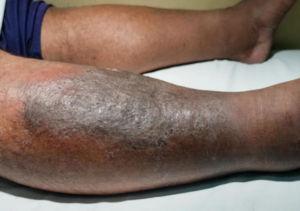
Symptoms of Cellulitis
  • Redness and Swelling: Affected area becomes red, swollen, and warm to the touch.
  • Pain or Tenderness: Skin may feel tender or painful, often increasing over time.
  • Fever and Chills: Systemic symptoms can include fever, chills, and sweating.
  • Skin Tightness: Skin may feel tight or stretched.
  • Blisters or Pus: Blisters or drainage of pus may occur in severe cases.
Risk Factors for Cellulitis
  • Skin Injuries: Cuts, burns, or surgical wounds increase the risk.
  • Chronic Conditions: Diabetes, obesity, or vascular diseases can predispose individuals to cellulitis.
  • Weakened Immunity: Conditions such as HIV/AIDS or immunosuppressive medications.
  • IV Drug Use: Injection drug use raises the risk of bacterial entry.
  • Age and Gender: Elderly individuals and males are more susceptible.
Treatment of Cellulitis
  • Antibiotics: Oral or intravenous antibiotics are prescribed to kill bacteria.
  • Pain Relief: Over-the-counter pain relievers can alleviate discomfort.
  • Elevation: Elevating the affected limb can reduce swelling.
  • Wound Care: Keeping the area clean and covered promotes healing.
  • Hospitalization: Severe cases may require hospitalization for intravenous antibiotics and monitoring.
Preventing Cellulitis
  • Wound Care: Clean cuts and scrapes promptly with soap and water.
  • Moisturize: Prevent dry skin with regular moisturizing to avoid cracks.
  • Protection: Use appropriate footwear and gloves in risky environments.
  • Hygiene: Maintain good hygiene, especially in hot and humid conditions.
  • Medical Management: Manage underlying conditions to reduce infection risk.
Conclusion

Cellulitis is a serious bacterial infection that requires timely treatment to prevent complications. Recognizing symptoms early and adopting preventive measures can reduce the risk of infection. For expert diagnosis and treatment of cellulitis, consult with healthcare professionals promptly.

Back to top of page