Trophic Ulcer Treatment in Hyderabad
Trophic ulcers are chronic wounds that may develop due to nerve damage, repeated pressure or other conditions affecting the feet. Early assessment can help identify the cause and guide appropriate wound care.
The Foot Doctor provides specialised assessment for foot ulcers, neuropathic wounds and diabetic foot problems in Hyderabad.
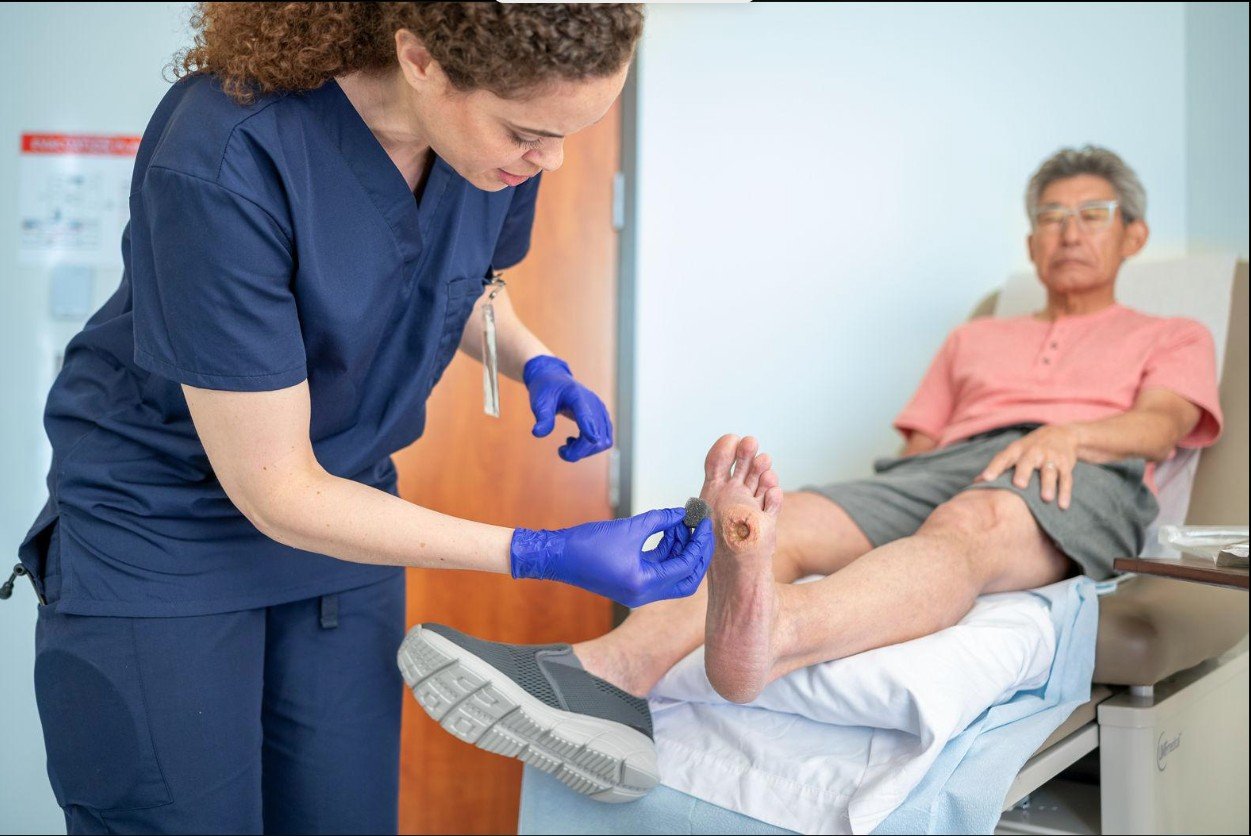
Trophic ulcer assessment and foot wound care in Hyderabad.
What Are Trophic Ulcers?
Trophic ulcers are wounds associated with tissue damage that can develop when sensation is reduced, pressure is repeated or the skin is unable to withstand ongoing stress. When nerve damage is involved, these wounds are often described as neurotrophic or neuropathic ulcers.
They commonly affect pressure-bearing areas of the feet. A person with reduced sensation may not notice a blister, cut or developing wound, allowing repeated pressure to make the injury worse.
Not every chronic wound is a trophic ulcer. Medical assessment helps distinguish neuropathic wounds from pressure injuries, circulation-related ulcers and other skin conditions.
Causes of Trophic Ulcers
1. Peripheral Neuropathy
Nerve damage can reduce the ability to feel pain, pressure, heat or minor injuries. Repeated unnoticed trauma can lead to skin breakdown.
2. Diabetes
Diabetes can contribute to nerve damage and may affect circulation and the body's response to infection, increasing foot wound risk.
3. Repeated Pressure
Poorly fitting shoes, foot deformities, calluses and changes in walking patterns can concentrate pressure on specific areas.
4. Poor Circulation
Peripheral artery disease can reduce blood flow to the feet and delay healing. Circulation should be assessed when clinically indicated.
Symptoms of Trophic Ulcers
- An open sore on the foot or ankle.
- Thickened or callused skin around a pressure point.
- A wound that does not heal as expected.
- Redness, swelling or warmth around the wound.
- Fluid, pus or an unpleasant smell.
- Skin colour changes or exposed deeper tissue.
- Numbness or reduced sensation in the foot.
Reduced sensation can mask pain. Do not wait for pain to develop before getting a suspicious foot wound examined.
How Are Trophic Ulcers Diagnosed?
The evaluation depends on the wound's location, depth, duration, symptoms and the patient's medical history.
Wound Examination
The clinician evaluates wound size, depth, surrounding skin, drainage and possible signs of infection.
Nerve and Sensation Assessment
Sensation testing may help identify peripheral neuropathy and areas at risk of unnoticed injury.
Circulation Assessment
When indicated, tests may include an ankle-brachial index (ABI), Doppler ultrasound or other vascular investigations.
Additional Investigations
Blood tests, wound cultures or imaging may be recommended when infection or deeper tissue involvement is suspected.
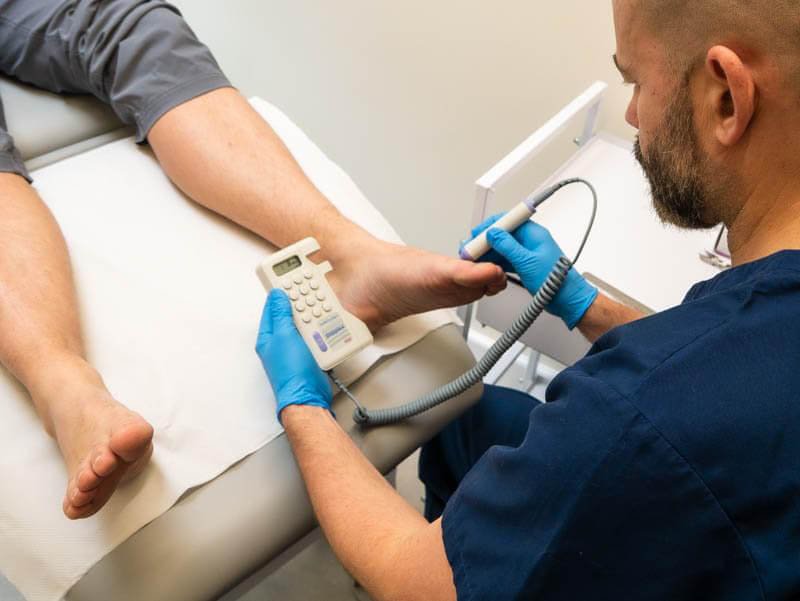
Foot circulation assessment for a non-healing ulcer.
Trophic Ulcer Treatment in Hyderabad
Treatment depends on the cause of the ulcer, its severity, infection status, circulation and pressure on the affected area. A personalised treatment plan may involve the following measures.
1. Professional Wound Care
Appropriate cleaning, dressings and regular wound assessment help protect the affected area and monitor healing. Debridement may be considered when clinically appropriate and safe.
2. Pressure Relief (Offloading)
Reducing pressure on the ulcer is essential for many neuropathic foot wounds. Depending on the clinical findings, pressure relief may involve specialised footwear, orthotic devices, protective padding or other offloading methods.
3. Management of Infection
If a wound is infected, treatment may include appropriate antimicrobial therapy and additional wound management. Antibiotics are not required for every ulcer and should be prescribed according to clinical assessment.
4. Circulation Management
When reduced blood flow contributes to poor healing, vascular assessment may be necessary. Selected patients may require further investigation or treatment to improve circulation.
5. Management of Underlying Conditions
Managing diabetes, nerve problems, pressure-related factors and other relevant health conditions can support the overall wound management plan.
6. Advanced Wound Therapies
Some complex wounds may require advanced wound products or specialist treatments after appropriate assessment. These therapies are selected according to the wound and the patient's clinical needs.
7. Surgery When Necessary
Surgery may be considered for selected cases involving deeper infection, non-viable tissue or structural problems that require intervention. The decision depends on individual assessment.
Professional Dressing Care for Chronic Foot Ulcers
Appropriate wound dressings can help protect the affected area and manage drainage. The dressing and care plan should be selected according to the wound's characteristics and reviewed as needed.
Do not cut away calluses or dead tissue yourself, and avoid applying unprescribed chemicals or home remedies to an open wound. If you have diabetes, reduced sensation or a non-healing foot wound, seek professional advice.
Ask About an Appointment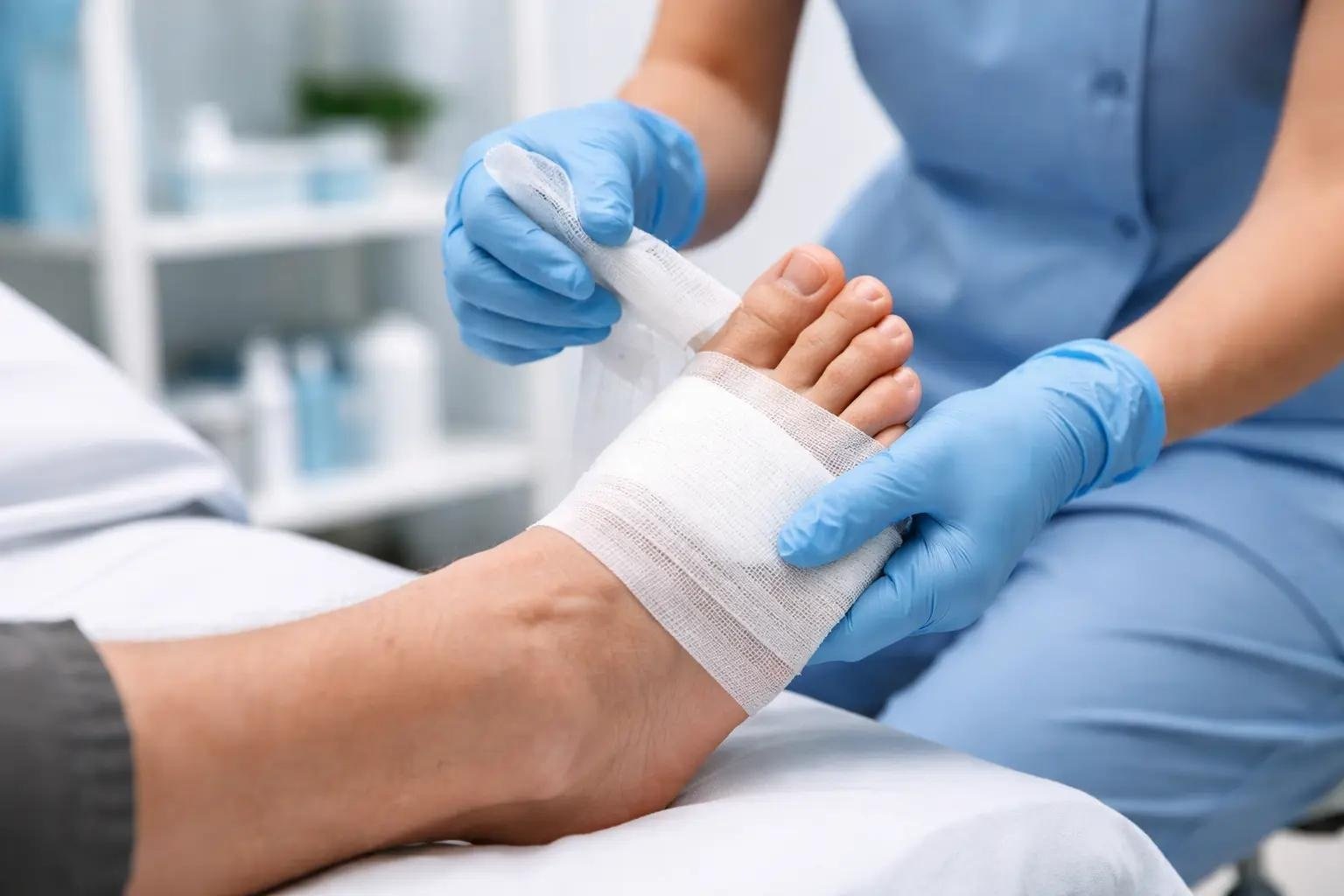
Professional dressing care for a chronic foot ulcer.
How to Prevent Trophic Ulcers
- Inspect your feet every day, including the soles and between the toes.
- Wear properly fitting footwear that minimises pressure and friction.
- Avoid walking barefoot if you have reduced sensation.
- Check your shoes for foreign objects before wearing them.
- Do not cut corns or calluses yourself with sharp tools.
- Follow your clinician's recommendations for pressure relief.
- Manage diabetes and other underlying conditions with medical guidance.
- Seek advice promptly for a new blister, wound or skin colour change.
When Should You Seek Medical Attention?
Seek prompt medical assessment for a persistent or worsening ulcer, increasing redness, swelling, pus, fever or other signs of infection. A diabetic foot wound should be assessed promptly.
Foot and Wound Care at The Foot Doctor
The Foot Doctor in Hyderabad provides specialised assessment for foot, ankle and diabetic foot conditions. Trophic ulcer evaluation may include consideration of wound characteristics, nerve sensation, pressure distribution and circulation when clinically indicated.
Treatment recommendations are based on clinical findings. Healing time and outcomes vary according to wound severity, underlying health conditions and response to treatment.
Explore The Foot Doctor website for information about foot-care services.
Frequently Asked Questions
What is the best treatment for a trophic ulcer?
Treatment depends on the underlying cause. It may include wound care, pressure relief, infection management, circulation assessment and treatment of contributing conditions.
Can trophic ulcers heal completely?
Some ulcers heal with appropriate treatment, but healing depends on wound depth, circulation, infection, pressure and underlying health conditions. Recurrence is possible.
Are trophic ulcers related to diabetes?
Diabetes can contribute to nerve damage and circulation problems that increase foot ulcer risk. Trophic ulcers may also have other causes.
Why can a trophic ulcer be painless?
Nerve damage may reduce protective sensation, so a person might not feel an injury or pressure sore. A painless wound can still become infected or worsen.
How long does a trophic ulcer take to heal?
Healing time varies with wound size and depth, infection status, circulation, pressure and overall health. A clinician can assess the wound and monitor progress.
Can I treat a trophic ulcer at home?
An open or non-healing foot wound should be professionally assessed. Avoid cutting tissue yourself or applying unprescribed chemicals or home remedies.
When should I consult a foot specialist?
Seek assessment for a persistent or recurring ulcer, a wound associated with numbness, or a diabetic foot wound. Signs of infection or sudden circulation changes need urgent attention.
Looking for Trophic Ulcer Treatment in Hyderabad?
Do not ignore a persistent foot wound, even if it is painless. Professional assessment can help identify contributing factors and guide an appropriate treatment plan.
Medical information on this page is for general educational purposes and is not a substitute for an individual medical assessment or treatment plan.