Claw Toes Treatment in Hyderabad
Expert Treatment for Claw Toe Deformity and Bent Toes
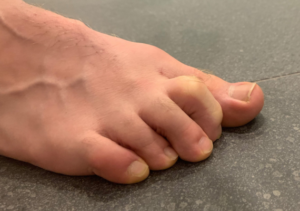
Claw toes are a foot deformity in which one or more toes become abnormally bent into a claw-like position. The condition can cause pain, difficulty wearing shoes, corns, calluses and discomfort while walking.
Without appropriate management, flexible claw toes may gradually become more rigid, making them more difficult to straighten.
If you are experiencing painful bent toes, recurrent corns or calluses, difficulty walking or problems wearing footwear, a professional foot evaluation can help identify the underlying cause and determine the appropriate treatment.
At The Foot Doctor, Hyderabad, we provide evaluation and treatment for claw toes and other foot and toe deformities.
What Are Claw Toes?
Claw toes occur when the muscles, tendons and joints controlling the toes become imbalanced, causing the toes to bend abnormally.
A claw toe may involve:
- Upward bending at the joint closest to the foot
- Downward bending at the middle joint
- Downward bending at the joint near the tip of the toe
The affected toes may initially remain flexible. Over time, however, they can become stiff or rigid.
Claw toes may affect one toe or multiple toes and can occur on one or both feet.
Symptoms of Claw Toes
The symptoms of claw toe deformity can vary depending on its severity.
Common symptoms include:
- Toes bent into a claw-like position
- Pain while walking
- Difficulty wearing shoes
- Pressure and rubbing against footwear
- Corns and calluses
- Redness and skin irritation
- Painful toe joints
- Difficulty straightening the toes
- Blisters caused by repeated friction
- Discomfort during daily activities
As the deformity progresses, pressure points can develop on the tops, tips or undersides of the toes.
What Causes Claw Toes?
Claw toes can develop due to several factors.
Muscle and Tendon Imbalance
An imbalance in the muscles and tendons controlling the toes can gradually pull the toe joints into an abnormal position.
Nerve-Related Conditions
Certain neurological conditions can affect the muscles of the feet and contribute to the development of claw toe deformities.
Diabetes and Peripheral Neuropathy
People with diabetes may develop nerve and muscle changes that can contribute to foot and toe deformities.
Toe deformities can also create areas of increased pressure, making regular foot examinations particularly important for people with diabetes.
Foot Structure
Certain foot shapes and structural abnormalities may increase the likelihood of developing toe deformities.
Tight or Narrow Footwear
Shoes with limited toe space may not directly cause every claw toe deformity, but they can increase pressure, pain and discomfort in affected toes.
Claw Toes vs Hammer Toes
Claw toes and hammer toes can look similar but involve different toe positions.
Hammer Toe
Hammer toe usually involves abnormal bending of the middle joint of the toe.
Claw Toe
Claw toe typically involves abnormal bending at multiple toe joints, creating a more pronounced claw-like appearance.
A proper foot examination can help identify the type of deformity and guide treatment.
Claw Toes Treatment in Hyderabad
Treatment depends on several factors, including:
- Whether the toes are flexible or rigid
- Severity of the deformity
- Level of pain and discomfort
- Presence of corns or calluses
- Difficulty walking
- Problems with footwear
- Underlying nerve or medical conditions
- Diabetes and overall foot health
Early treatment may help reduce pressure, discomfort and progression-related problems.
Non-Surgical Treatment for Claw Toes
Non-surgical treatment may be recommended for flexible or early-stage claw toe deformities.
Footwear Modification
Shoes with adequate toe space can help reduce pressure and friction on bent toes.
Footwear should provide sufficient room for the toes and avoid excessive pressure on prominent joints.
Padding and Toe Protection
Protective padding may help reduce rubbing and pressure over painful areas.
This may be helpful for patients who develop corns, calluses or skin irritation.
Orthotics and Foot Support
Orthotics or other appropriate foot support may help improve pressure distribution depending on the individual’s foot structure and walking pattern.
Toe Exercises
Specific exercises may be recommended in suitable cases to help maintain flexibility and mobility.
Corn and Callus Management
Corns and calluses caused by increased pressure may require professional foot care.
People with diabetes or reduced sensation should avoid cutting corns or calluses themselves because of the risk of skin injury and infection.
Surgical Treatment for Claw Toes
Surgical treatment may be considered when claw toes become:
- Rigid
- Painful
- Progressively deformed
- Difficult to accommodate in footwear
- Associated with recurrent pressure problems
- Unresponsive to appropriate conservative treatment
The type of procedure depends on the severity of the deformity and the joints, tendons and bones involved.
The goals of treatment may include:
- Improving toe alignment
- Reducing pain
- Relieving pressure
- Improving footwear comfort
- Correcting rigid deformities
- Improving walking comfort
A detailed assessment is necessary to determine whether surgery is appropriate.
Claw Toes and Diabetes
People with diabetes should pay special attention to changes in the shape of their toes and feet.
Claw toes can create areas of increased pressure, which may contribute to:
- Corns and calluses
- Skin breakdown
- Blisters
- Pressure sores
- Foot wounds
- Diabetic foot complications
If you have diabetes and notice toe deformities, redness, calluses, skin changes or wounds, seek professional foot evaluation.
Early management of pressure areas can help reduce the risk of complications.
When Should You See a Doctor for Claw Toes?
Consider consulting a foot specialist if you experience:
- Persistent toe pain
- Increasing toe deformity
- Difficulty walking
- Difficulty finding comfortable shoes
- Recurrent corns or calluses
- Redness or skin irritation
- Blisters or skin breakdown
- Open wounds
- Loss of sensation in the feet
- Diabetes with toe deformities
Early evaluation may help identify the underlying cause and manage the condition before the deformity becomes more rigid.
Why Choose The Foot Doctor for Claw Toes Treatment in Hyderabad?
Claw toe treatment should focus not only on the appearance of the toes but also on the underlying cause, pressure distribution and associated foot problems.
At The Foot Doctor in Hyderabad, claw toe assessment may include evaluation of:
- Toe alignment and flexibility
- Foot structure
- Pressure areas
- Corns and calluses
- Walking-related problems
- Footwear concerns
- Nerve-related conditions
- Diabetes-related foot risks
Treatment recommendations are based on the individual’s symptoms, severity of the deformity and overall foot health.
Frequently Asked Questions About Claw Toes
Can claw toes be corrected without surgery?
Flexible claw toes may be managed with footwear modification, padding, orthotics, exercises and other conservative treatments. Rigid or severe deformities may require further treatment.
Are claw toes painful?
Claw toes can become painful, particularly when the bent toes rub against shoes or develop corns and calluses.
Can claw toes get worse?
In some cases, claw toe deformities can gradually become more rigid and difficult to correct.
What shoes are suitable for claw toes?
Footwear with adequate toe space can help reduce pressure and rubbing. The most suitable footwear depends on the severity of the deformity and individual foot shape.
Can diabetes cause claw toes?
Diabetes-related nerve and muscle changes may contribute to foot deformities in some people.
When is surgery needed for claw toes?
Surgery may be considered when claw toes are rigid, painful or causing significant walking and footwear problems despite appropriate conservative treatment.
Can claw toes cause corns and calluses?
Yes. Bent toes can create areas of increased pressure against footwear or the ground, leading to corns and calluses.