Understand Running Mechanics
Learn how your feet, ankles and lower limbs move during running.

ATHLETE'S RUNNING ANALYSIS IN HYDERABAD
Understand your running biomechanics, gait, foot movement and running mechanics with a professional Athlete's Running Analysis at The Foot Doctor in Hyderabad.
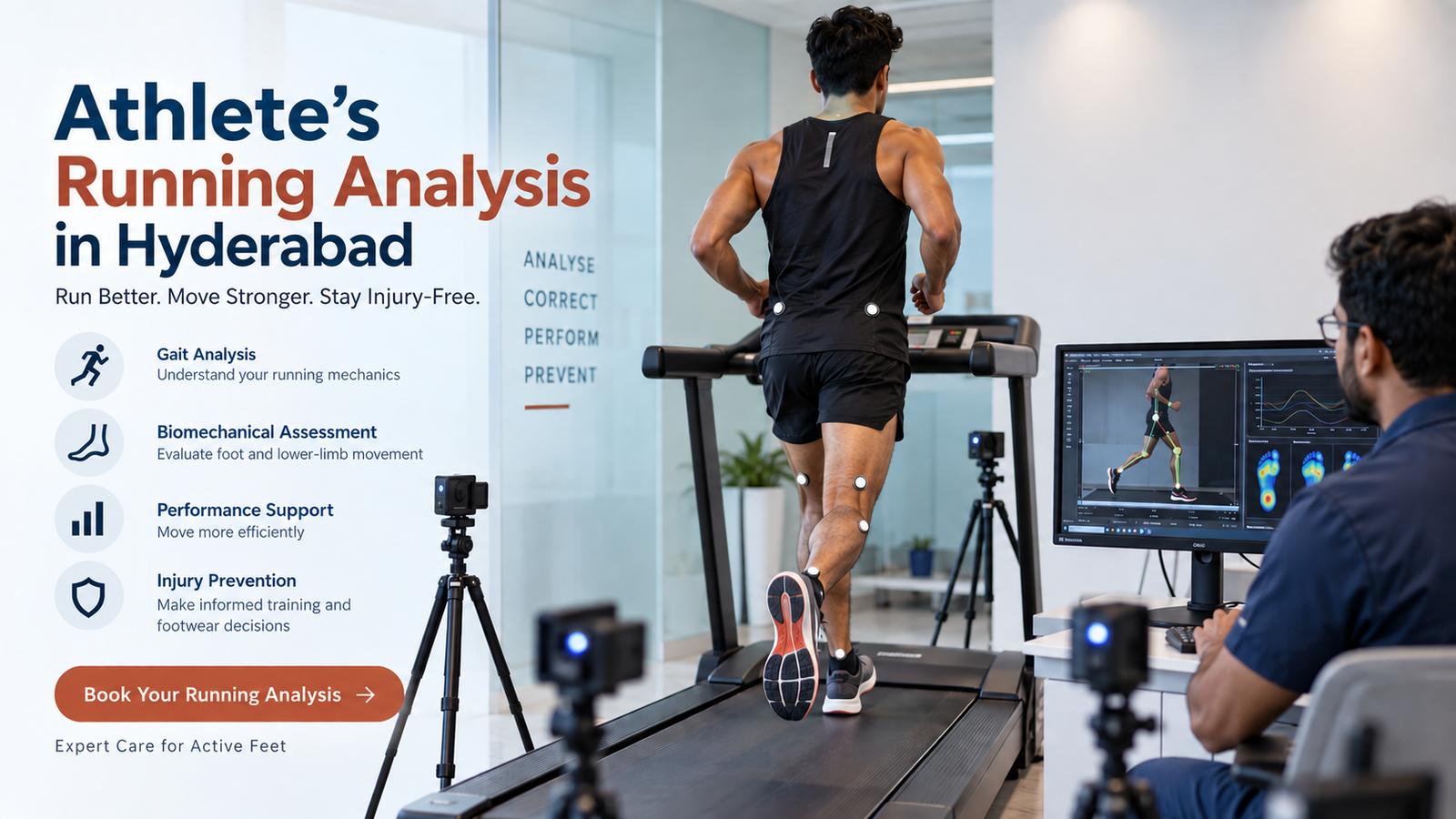
Running performance depends on more than speed, endurance and training. The way your feet, ankles, knees, hips and body move during every stride can influence running efficiency, comfort and the forces placed on your lower limbs.
At The Foot Doctor in Hyderabad, our Athlete's Running Analysis uses biomechanical assessment and movement-analysis technology to evaluate how you move while running.
The assessment can help identify movement patterns, asymmetries and biomechanical factors that may be relevant to your running goals, recurring discomfort or previous injuries.
Whether you are a professional athlete, marathon runner, recreational runner or someone beginning a running program, understanding your individual running mechanics can help guide decisions about training, footwear, rehabilitation and injury management.
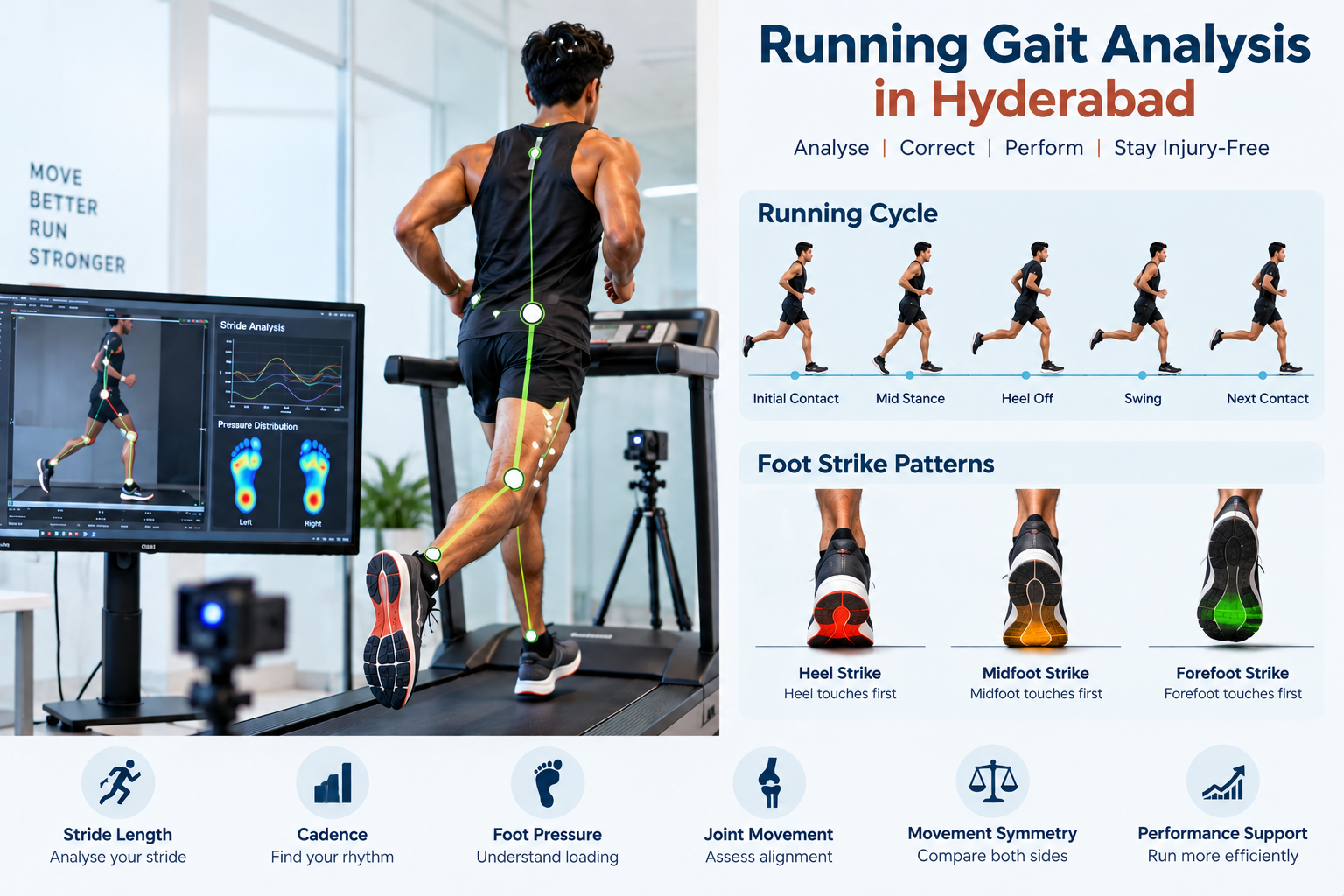
Athlete's Running Analysis is a structured assessment of how your feet, ankles, legs and body move during running.
Instead of assuming that every runner should have the same running technique, the assessment focuses on understanding your individual movement pattern.
Depending on your requirements, the assessment may examine:
Every running stride involves a coordinated sequence of movements. Differences in foot movement, alignment, loading and running mechanics may become more relevant when combined with training changes, previous injuries, inadequate recovery or inappropriate footwear.
Learn how your feet, ankles and lower limbs move during running.
Assess differences between the right and left sides during movement.
Biomechanical information can be useful when assessing recurring running-related discomfort.
Assessment findings can help guide individualized running recommendations.
Running mechanics can provide useful information when considering appropriate footwear.
Running analysis may be incorporated into a return-to-running plan.
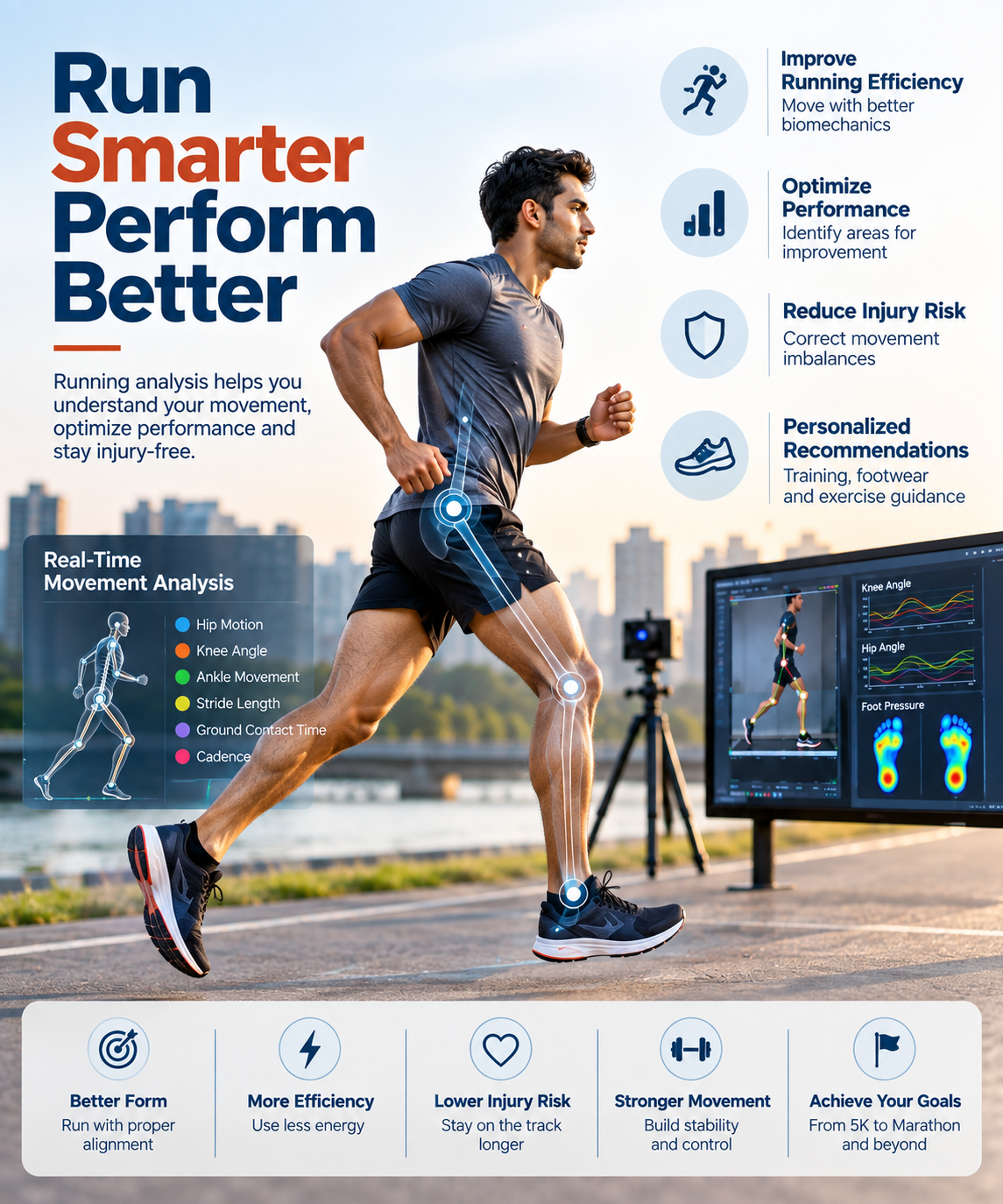
Running involves coordinated movement of the foot, ankle, knee, hip and upper body. A biomechanical assessment helps examine these movement patterns as part of an individual's running evaluation.
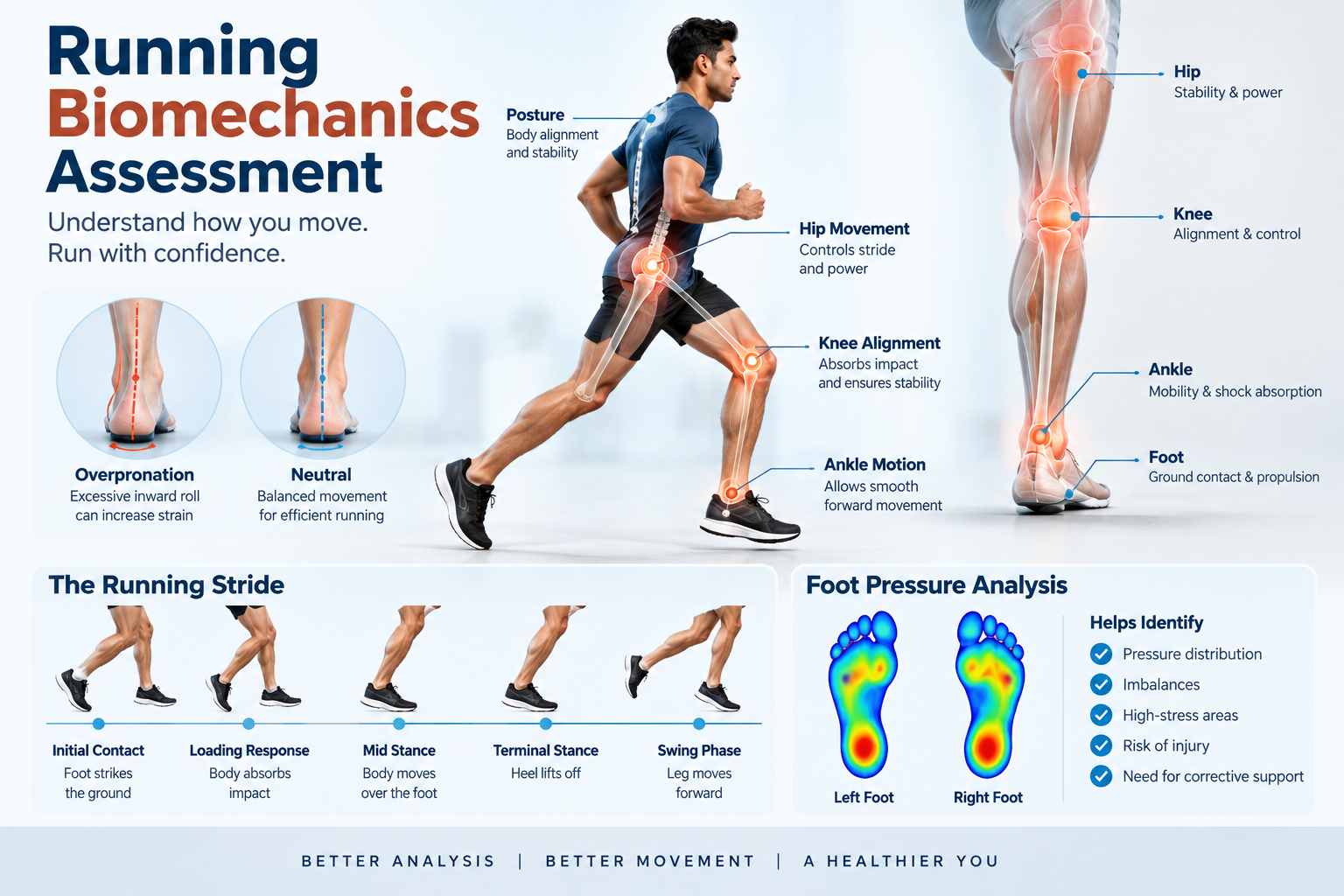
Running analysis looks at multiple components of movement rather than focusing on only one aspect of running form.
We assess how your foot interacts with the ground during each stride.
Stride characteristics are considered as part of your overall running pattern.
Foot and ankle movement can be assessed during running.
Your body positioning and overall running posture can be evaluated.
The relationship between the feet, ankles, knees and hips can be considered.
Right-to-left differences in movement can be assessed.
At The Foot Doctor, the assessment follows a structured process to understand your individual running mechanics.
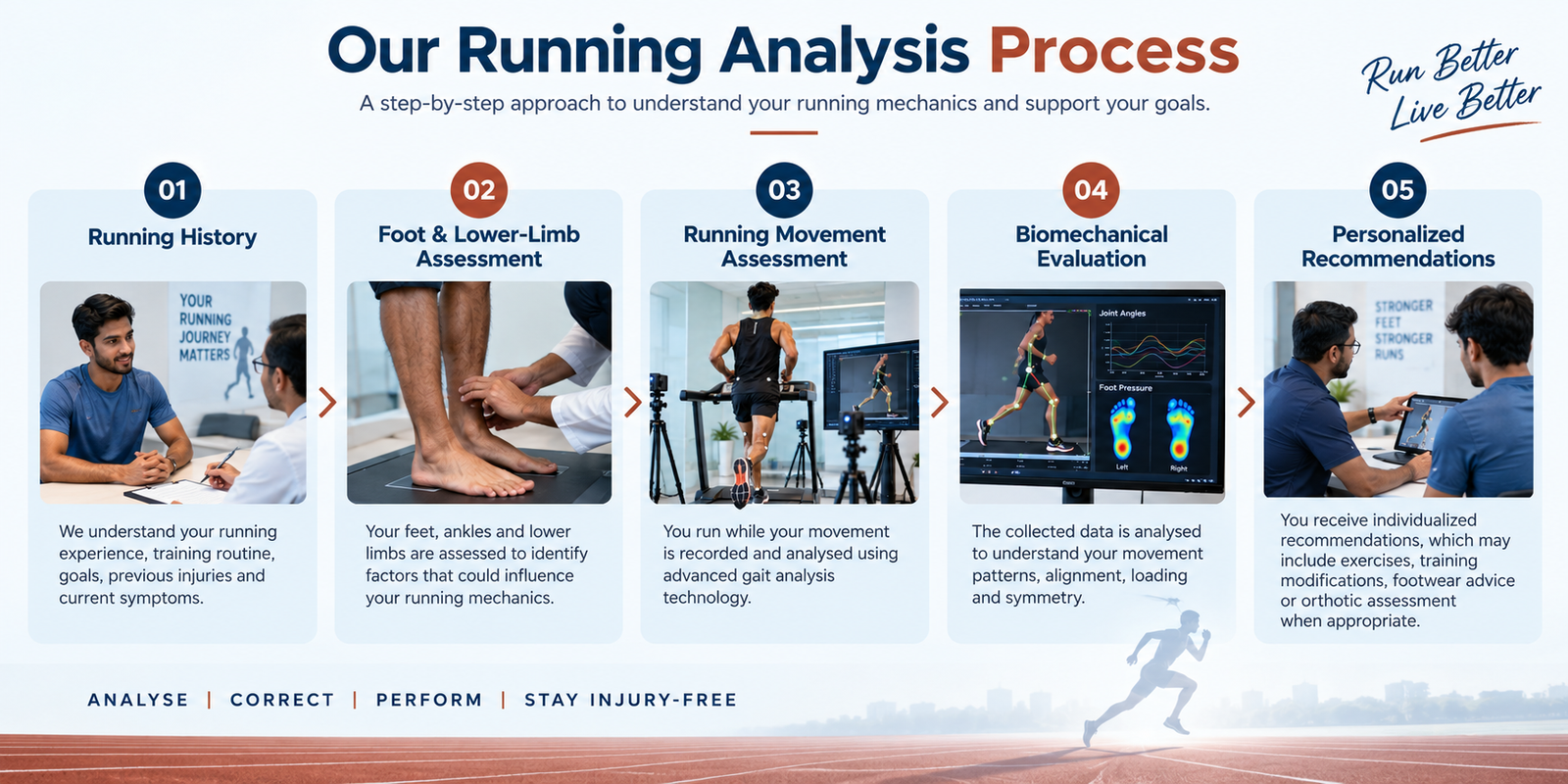
We understand your running experience, weekly distance, training routine, running goals, previous injuries and current symptoms.
Your feet, ankles and lower limbs may be assessed for factors that could influence your running mechanics.
Your walking and running movement may be recorded and evaluated using movement-analysis technology.
Assessment information is reviewed to understand your individual movement patterns.
Recommendations may include exercise, mobility, rehabilitation, training modifications, footwear guidance or orthotic assessment when appropriate.
Running analysis is not only for professional athletes. It can be useful for runners at different levels depending on their goals, symptoms and training requirements.
Athletes looking to better understand their running biomechanics.
Long-distance runners experiencing recurring discomfort or preparing for demanding events.
Regular runners who want to understand their movement mechanics.
Individuals beginning a new running or fitness program.
Runners gradually returning to activity after an injury.
Runners experiencing recurring foot, heel, ankle, shin or knee discomfort.
Running-related problems can have several contributing factors. A biomechanical assessment may provide additional information when evaluating recurring symptoms.
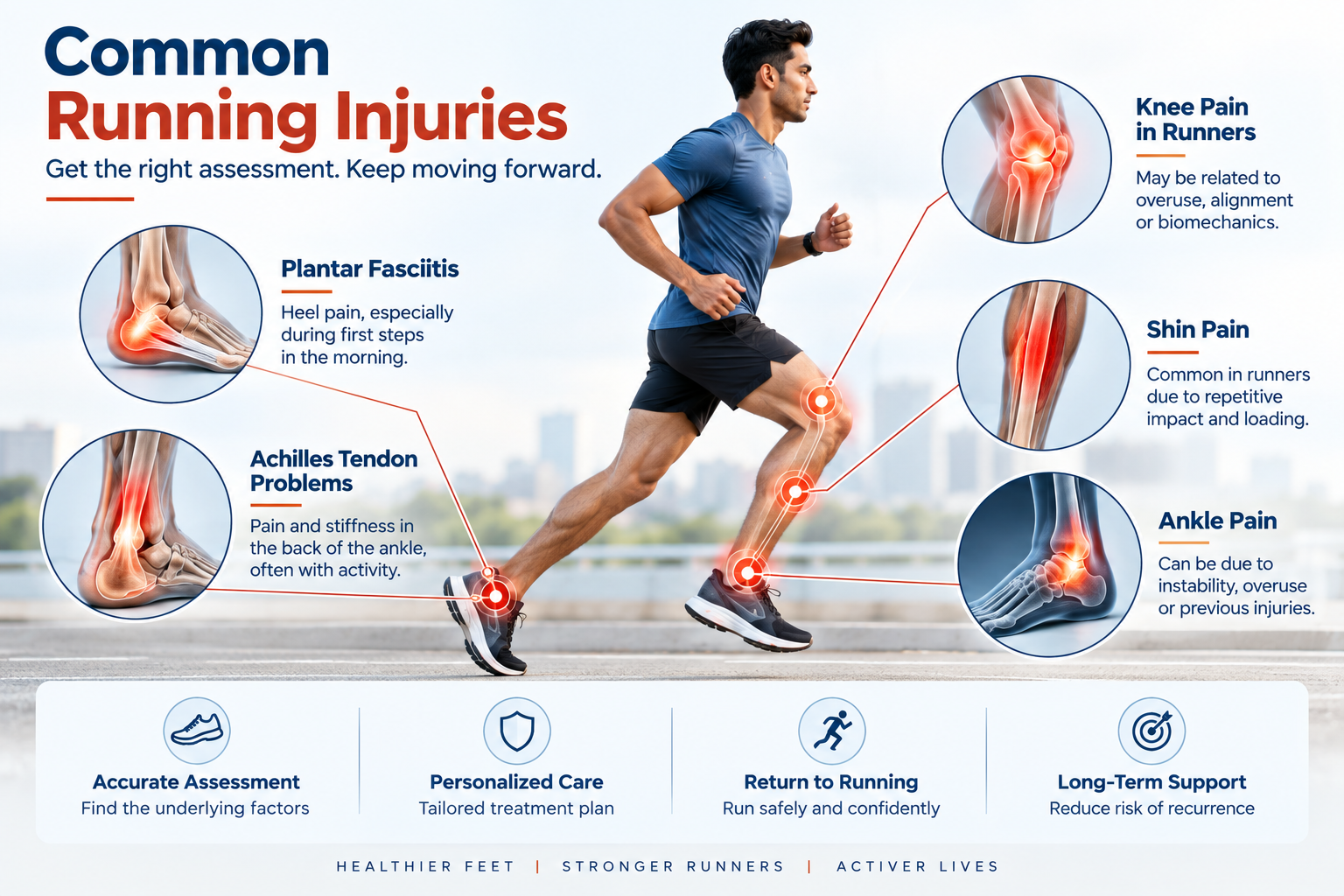
Foot movement and loading may be relevant when assessing runners with recurring plantar fascia symptoms.
Running assessment may provide information about foot movement and loading relevant to heel symptoms.
Running mechanics can be considered as part of a broader assessment for Achilles-related symptoms.
Training factors and lower-limb biomechanics may be considered when evaluating recurring shin discomfort.
Foot and ankle movement can be evaluated as part of an overall assessment.
Lower-limb biomechanics may be considered when evaluating knee pain associated with running.
Running analysis does not automatically make a runner faster. Instead, it provides information about how you move while running.
Based on assessment findings, recommendations may involve:
Running shoes can influence how your feet interact with the ground. However, there is no single running shoe that is ideal for every runner.
Your assessment may provide information about:
This information can help guide individualized footwear recommendations.
When clinically appropriate, a custom orthotic assessment may also be considered.
Want to understand how gait analysis relates to running performance? Read our detailed guide:
How Gait Analysis Improves Running Performance →You can also explore our Gait Analysis service for more information.
The Foot Doctor is a specialized podiatric hospital in Hyderabad providing comprehensive foot and ankle care, including gait analysis, sports injury assessment and Athlete's Running Analysis.
Structured evaluation of running movement and biomechanics.
Assessment of the feet, ankles and lower limbs.
Recommendations based on assessment findings and individual needs.
Running analysis can form part of a broader sports injury assessment and rehabilitation plan.
To make your assessment more useful, consider bringing:
Wear comfortable athletic clothing that allows you to move freely during the assessment.
Running gait analysis is an assessment of how your feet and body move during running. It can evaluate factors such as foot strike, stride, cadence, posture, joint movement and movement symmetry.
Running gait analysis may be useful for athletes, marathon runners, recreational runners, beginners, runners returning after injury and people experiencing recurring running-related pain.
Running analysis can identify movement patterns that may be relevant to your symptoms. However, foot pain can have several possible causes, so a complete clinical evaluation may be necessary.
Running analysis may provide information about foot movement and loading that can be relevant to plantar fasciitis. Treatment should be based on an individual clinical assessment.
A running assessment can provide information about movement mechanics that may be relevant to Achilles tendon symptoms.
No. Custom orthotics are not automatically required after running analysis. They should be considered when clinically appropriate.
No. Professional athletes, marathon runners, recreational runners and beginners can all undergo running analysis depending on their goals and individual requirements.
The Foot Doctor provides Athlete's Running Analysis and gait analysis in Hyderabad for runners, athletes and active individuals.
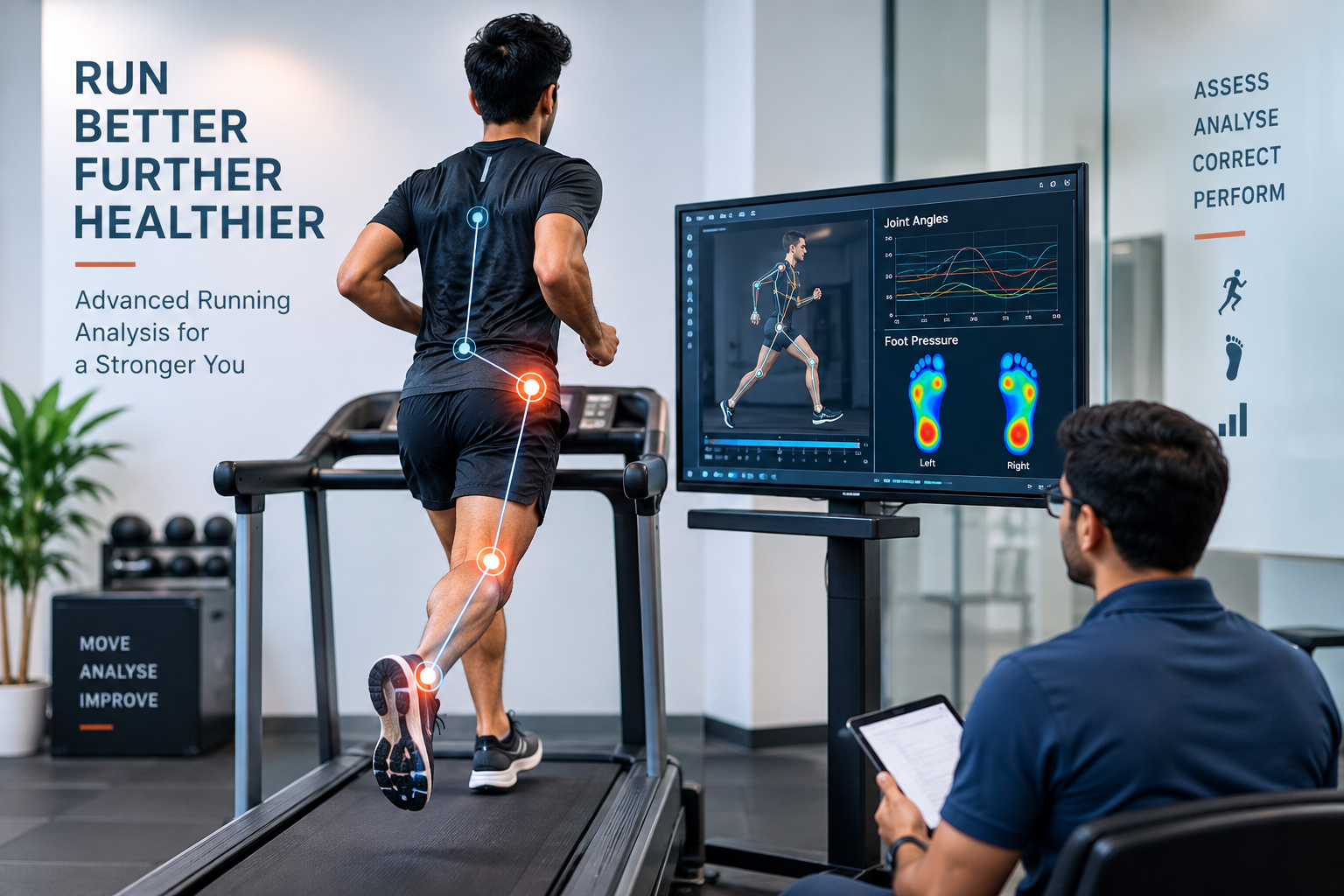
Whether you are training for a marathon, returning to running after an injury, experiencing recurring foot pain or simply want to understand your running biomechanics, a professional running assessment can provide useful information about how you move.
At The Foot Doctor, our Athlete's Running Analysis combines movement assessment with foot and lower-limb evaluation to help runners better understand their running mechanics.