page-header

ARTHROPLASTY OR JOINT REPLACEMENT

Arthroplasty (Joint Replacement) Treatment in Hyderabad

Regain Pain-Free Movement with Advanced Joint Replacement Surgery

Persistent joint pain can make everyday activities like walking, climbing stairs, or even getting out of a chair challenging. If medications, physiotherapy, and lifestyle changes no longer provide relief, arthroplasty (joint replacement surgery) may be the right solution.

At The Foot Doctor, we offer comprehensive arthroplasty treatment in Hyderabad, helping patients regain mobility, reduce chronic pain, and improve their quality of life. Our experienced orthopedic specialists use advanced diagnostic techniques, evidence-based treatment plans, and modern surgical approaches to deliver personalized care for each patient.

Whether you’re suffering from severe arthritis, joint degeneration, or an injury affecting your mobility, our team is committed to helping you return to an active and independent lifestyle.

Book your consultation today and take the first step toward pain-free movement.

What is Arthroplasty?

Arthroplasty, commonly known as joint replacement surgery, is a surgical procedure performed to restore the function of a damaged joint. During the procedure, worn-out cartilage and damaged bone are either repaired or replaced with durable artificial implants made from medical-grade metal, ceramic, or high-quality polyethylene.

The primary goals of arthroplasty are to:

  • Relieve chronic joint pain
  • Restore smooth joint movement
  • Improve flexibility and stability
  • Correct joint deformities
  • Enhance overall quality of life
  • Help patients return to their daily activities
    Joint replacement surgery is usually recommended when conservative treatments such as medications, physiotherapy, injections, and lifestyle modifications no longer provide adequate relief.
Types of Joint Replacement
  • Hip Arthroplasty: Replacement of the hip joint with an artificial implant.
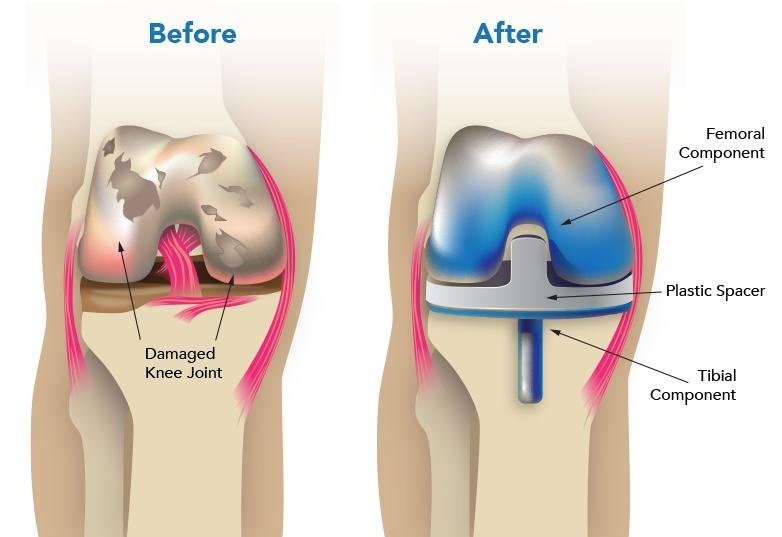
  • Knee Arthroplasty: Replacement of the knee joint to alleviate pain and restore function.
  • Shoulder Arthroplasty: Replacement of the shoulder joint to improve mobility and reduce pain.
  • Elbow Arthroplasty: Replacement of the elbow joint for better function and pain relief.
  • Ankle Arthroplasty: Replacement of the ankle joint to restore mobility and reduce discomfort.

Understanding Joint Damage

Healthy joints are covered with smooth cartilage that allows bones to glide effortlessly during movement. Over time, conditions such as arthritis, injury, infection, or age-related wear can damage this protective cartilage.

As cartilage wears away, bones begin rubbing against each other, leading to:

  • Persistent pain
  • Joint stiffness
  • Swelling
  • Grinding sensations
  • Reduced range of motion
  • Difficulty walking or standing
  • Progressive deformity

When the damage becomes severe, replacing the damaged joint surfaces with artificial implants can significantly reduce pain and restore normal function.

Who May Need Arthroplasty?

You may benefit from arthroplasty if you experience:

  • Chronic joint pain lasting several months
  • Pain that interferes with sleep
  • Difficulty walking or climbing stairs
  • Joint stiffness after periods of rest
  • Reduced mobility despite treatment
  • Progressive joint deformity
  • Failure of medications or physiotherapy
  • Severe arthritis confirmed on X-rays or MRI
  • Difficulty performing routine daily activities

Early evaluation by an orthopedic specialist can help determine the most appropriate treatment before the condition worsens.

Symptoms That May Indicate the Need for Joint Replacement

Joint damage often develops gradually, with symptoms becoming more noticeable over time.

Common symptoms include:

Persistent Joint Pain

Pain that continues despite medication or rest may indicate advanced cartilage damage.

Morning Stiffness

Difficulty moving the joint after waking up or sitting for prolonged periods.

Swelling Around the Joint

Inflammation and fluid buildup can cause noticeable swelling and discomfort.

Limited Range of Motion

Difficulty bending, straightening, or rotating the affected joint.

Pain While Walking

Pain during walking, climbing stairs, or standing for extended periods may signal advanced joint degeneration.

Grinding or Clicking Sensation

A grinding feeling (crepitus) may occur as damaged cartilage allows bones to rub together.

Joint Deformity

Advanced arthritis may cause bowing of the knees, hip deformities, or visible changes in joint alignment.

Reduced Quality of Life

Simple tasks like dressing, cooking, shopping, or exercising may become increasingly difficult.

What Causes Joint Damage?

Several conditions can damage the joints and eventually require arthroplasty.

Osteoarthritis

Osteoarthritis is the most common reason for joint replacement surgery. It occurs when the cartilage protecting the joint gradually wears away due to aging, repeated stress, or previous injuries.

Commonly affected joints include:

  • Knees
  • Hips
  • Shoulders
  • Ankles
Ankle Arthrodesis (Ankle Fusion)

Ankle arthrodesis, commonly known as ankle fusion, is a surgical procedure designed to relieve pain and improve function in a severely arthritic or damaged ankle joint. Unlike joint replacement surgery, which involves replacing the joint with an artificial implant, arthrodesis involves fusing the bones of the joint together. This eliminates motion at the joint but provides a stable and pain-free ankle. The procedure is typically recommended for patients with severe arthritis, traumatic injuries, or deformities that have not responded to conservative treatments like medications, physical therapy, or orthotic supports.

Risk Factors for Joint Replacement

Certain factors increase the likelihood of developing severe joint damage.

These include:

  • Age above 50 years
  • Obesity
  • Previous joint injuries
  • Family history of arthritis
  • Rheumatoid arthritis
  • High-impact occupations
  • Sports-related injuries
  • Poor joint alignment
  • Chronic inflammatory diseases
  • Sedentary lifestyle followed by sudden strenuous activity

Understanding these risk factors allows for earlier intervention and better long-term outcomes.

How is Joint Damage Diagnosed?

Accurate diagnosis is the first step toward effective treatment. At The Foot Doctor, our orthopedic specialists perform a comprehensive evaluation to identify the underlying cause of your joint pain and determine whether arthroplasty is the most suitable option.

Medical History

Your doctor will discuss:

  • Nature and duration of pain
  • Previous injuries or surgeries
  • Medical conditions
  • Current medications
  • Impact on daily activities

Physical Examination

A detailed examination helps assess:

  • Joint stability
  • Range of motion
  • Muscle strength
  • Walking pattern (gait)
  • Swelling
  • Tenderness
  • Joint deformity

Digital X-rays

X-rays are commonly used to evaluate:

  • Cartilage loss
  • Bone deformities
  • Joint space narrowing
  • Bone spurs
  • Severity of arthritis

MRI Scan

MRI provides detailed images of:

  • Cartilage
  • Ligaments
  • Tendons
  • Muscles
  • Early joint damage

MRI is particularly useful when soft tissue injuries are suspected.

CT Scan

A CT scan may be recommended in complex cases to assess bone anatomy and assist with pre-surgical planning.

Blood Tests

Blood investigations may help identify inflammatory conditions such as rheumatoid arthritis or rule out joint infections before surgery.

Non-Surgical Treatments Before Arthroplasty

Not every patient with joint pain requires surgery. Whenever possible, our orthopedic specialists recommend conservative treatments before considering joint replacement.

Medications

Pain-relieving and anti-inflammatory medications may help reduce discomfort during the early stages of arthritis.

Physiotherapy

Customized physiotherapy programs strengthen muscles surrounding the joint, improve flexibility, and enhance balance.

When is Arthroplasty Recommended?

Joint replacement surgery is considered when:

  • Pain becomes severe and persistent
  • Conservative treatments no longer provide relief
  • Walking becomes increasingly difficult
  • Daily activities are significantly affected
  • Joint deformity progresses
  • Imaging confirms advanced joint damage

Our specialists carefully evaluate each patient’s condition to ensure surgery is recommended only when it offers the greatest long-term benefit.

Types of Arthroplasty Procedures

The type of arthroplasty depends on the affected joint, the severity of damage, and the patient’s functional needs.

Knee Replacement (Total Knee Arthroplasty)

Knee replacement surgery is performed to replace damaged cartilage and bone in the knee joint with artificial implants. It is commonly recommended for patients with advanced osteoarthritis, rheumatoid arthritis, or severe knee injuries.

It may help patients with:

  • Severe knee arthritis
  • Chronic knee pain
  • Knee deformity
  • Difficulty climbing stairs
  • Reduced mobility

Hip Replacement (Total Hip Arthroplasty)

Hip replacement involves replacing the damaged ball-and-socket joint with prosthetic components that restore smooth and stable movement.

It is often recommended for patients experiencing:

  • Advanced hip arthritis
  • Persistent hip or groin pain
  • Hip stiffness
  • Difficulty standing or walking
  • Avascular necrosis

Shoulder Replacement

Shoulder arthroplasty replaces damaged portions of the shoulder joint, helping relieve pain and improve movement in patients with arthritis, fractures, or severe rotator cuff damage.

Ankle Replacement

Ankle arthroplasty is an option for selected patients with end-stage ankle arthritis who wish to preserve joint motion while reducing pain.

It may be suitable for patients with:

  • Severe ankle arthritis
  • Previous ankle fractures
  • Chronic ankle instability
  • Degenerative ankle disease

Partial Joint Replacement

In some cases, only the damaged portion of the joint is replaced while preserving healthy bone and cartilage. This approach may offer a quicker recovery for carefully selected patients.

Why Choose The Foot Doctor for Arthroplasty Treatment in Hyderabad?

At The Foot Doctor, we combine experienced orthopedic expertise with advanced diagnostics, personalized treatment planning, and comprehensive rehabilitation to help patients achieve the best possible outcomes. From your initial consultation through recovery, our multidisciplinary team is committed to providing compassionate, evidence-based care tailored to your needs.

Back to top of page