
TOE DEFORMITIES

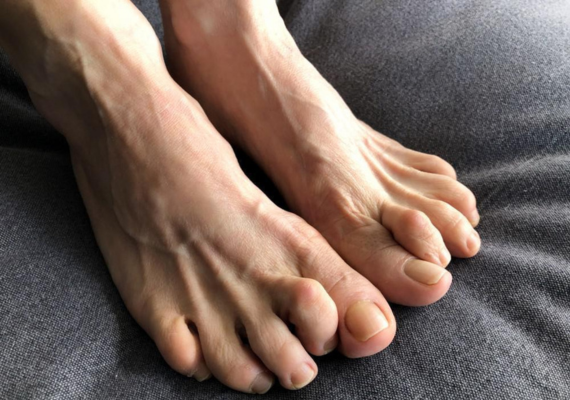

Toe Deformities Treatment in Hyderabad
Toe deformities can affect the alignment, movement and comfort of your toes. Conditions such as hammer toe, claw toe and mallet toe may cause pain, pressure, corns, calluses and difficulty wearing shoes.
At The Foot Doctor, our foot and ankle specialists evaluate toe deformities and develop treatment plans based on the type, severity and flexibility of the deformity.
What Are Toe Deformities?
Toe deformities are changes in the normal position or shape of one or more toes. The affected toe may become bent, curled, rotated or displaced from its usual alignment.
Some toe deformities develop gradually, while others may occur following an injury or because of changes in the muscles, tendons or joints of the foot.
Depending on the condition, toe deformities can lead to pain, pressure against footwear, corns, calluses and difficulty walking or standing comfortably.
Common Types of Toe Deformities
Different toe deformities affect different joints and may appear in different ways. The most common types include:
Hammer Toe
Hammer toe is a deformity in which a toe develops an abnormal bend, commonly involving the middle joint. It can cause pain and pressure when the toe rubs against footwear.
Learn About Hammer Toe →Claw Toe
Claw toe causes the toe to bend at multiple joints, creating a claw-like appearance. It may cause pressure, pain and difficulty fitting the foot comfortably into shoes.
Learn About Claw Toe →Mallet Toe
Mallet toe involves abnormal bending of the joint closest to the tip of the toe. It can create pressure at the end of the toe and may become painful inside footwear.
Overlapping Toes
An overlapping toe may cross over or under an adjacent toe. This can affect shoe fitting and create areas of pressure or friction.
Crooked or Curled Toes
Some toes may gradually become rotated, curled or misaligned. The deformity can affect comfort, footwear and walking mechanics.
Complex Toe Deformities
Multiple deformities can occur together and may require a detailed assessment of the toes, forefoot alignment and overall foot mechanics.
What Causes Toe Deformities?
Toe deformities can develop for different reasons. Identifying contributing factors is an important part of planning appropriate treatment.
Muscle and Tendon Imbalance
Changes in the balance between the muscles and tendons controlling the toes can contribute to abnormal toe positioning.
Tight or Narrow Footwear
Shoes that do not provide enough room for the toes can increase pressure and friction and may aggravate an existing deformity.
Previous Injury
Trauma or injury involving a toe or foot can sometimes contribute to changes in alignment.
Arthritis
Joint stiffness, inflammation and structural changes associated with arthritis may affect toe position and movement.
Nerve-Related Problems
Certain neurological conditions can affect the muscles controlling the toes and contribute to deformity.
Foot Structure and Genetics
Inherited foot structure and individual anatomy can contribute to the development of some toe deformities.
Symptoms of Toe Deformities
Symptoms vary depending on the type and severity of the deformity. Common signs include:
- Toe bending or curling
- Visible change in toe alignment
- Pain while walking or standing
- Pain or pressure while wearing shoes
- Corns or calluses on the toes
- Redness or irritation caused by footwear
- Difficulty finding comfortable shoes
- Reduced toe flexibility
- Pressure at the tip or top of the toe
- Difficulty walking comfortably
Diagnosis of Toe Deformities
A foot and ankle specialist can assess the shape, alignment and movement of the affected toe and determine factors that may be contributing to the deformity.
Depending on the clinical situation, assessment may include examination of the foot while standing and walking, evaluation of joint movement and imaging when required.
Clinical Examination
Assessment of toe position, flexibility, pain and areas of pressure.
Footwear Assessment
Evaluation of footwear-related pressure and friction affecting the toes.
Walking Assessment
Assessment of foot mechanics and walking patterns when clinically appropriate.
Imaging
Imaging may be recommended to evaluate bones and joints when required.
Toe Deformities Treatment in Hyderabad
Treatment depends on the type of toe deformity, whether the toe remains flexible or has become rigid, the level of pain and how much the condition affects walking and footwear.
Not every toe deformity requires surgery. Depending on the condition, treatment may begin with conservative measures aimed at reducing pressure and improving comfort.
Non-Surgical Treatment Options
- Footwear modification with adequate toe-room
- Toe pads or cushions to reduce pressure
- Toe splints or alignment devices when appropriate
- Custom orthotic support when indicated
- Stretching and strengthening exercises
- Physical therapy where appropriate
- Management of corns and calluses caused by pressure
Corrective surgery may be considered when a deformity causes persistent symptoms, significantly affects footwear or walking, or does not respond adequately to appropriate conservative treatment. The specific procedure depends on the deformity and individual clinical findings.
Surgical Treatment for Toe Deformities
When surgery is appropriate, the goal is to address the structural problem and improve toe alignment, comfort and function.
Depending on the deformity, surgical correction may involve procedures involving the bones, joints, tendons or soft tissues.
Tendon Procedures
Procedures may be used when tendon imbalance contributes to the deformity.
Joint Procedures
Selected joint procedures may be considered for rigid or advanced deformities.
Bone Correction
In selected cases, bone procedures may be used to improve structural alignment.
Reconstructive Foot Surgery
More complex deformities may require a comprehensive reconstructive approach.
The appropriate procedure is determined after a detailed assessment rather than using the same treatment for every patient.
Footwear Tips for Toe Deformities
Appropriate footwear can help reduce pressure and friction on deformed toes.
- Choose shoes with a wide and comfortable toe box.
- Avoid shoes that squeeze or overlap the toes.
- Avoid excessive pressure over prominent areas.
- Select footwear that fits comfortably while walking.
- Consider professional footwear or orthotic advice when symptoms persist.
Related Foot Conditions and Services
Toe deformities can sometimes occur alongside other foot problems. Explore related foot and ankle care services at The Foot Doctor.
Foot Conditions
Explore common foot problems and available treatment approaches.
Explore Foot Conditions →Hammer Toe Treatment
Learn about hammer toe symptoms, causes and available treatment options.
Learn More →Claw Toe Treatment
Understand claw toe deformity and approaches to managing pain and pressure.
Learn More →Forefoot Pain Treatment
Explore causes of pain affecting the toes, metatarsals and front of the foot.
Learn More →Diabetic Foot Treatment
Specialised care for diabetic foot problems, wounds and related complications.
Learn More →Our Foot Care Services
Explore the range of diagnostic, conservative and surgical foot care services.
View Services →When Should You See a Foot Specialist?
Consider a professional evaluation if you notice persistent or worsening changes in your toe position, particularly when they begin affecting daily activities.
- Persistent toe pain
- Increasing toe bending or curling
- Difficulty wearing regular footwear
- Recurrent corns or calluses
- Redness or skin irritation caused by footwear
- Difficulty walking comfortably
- A toe deformity that is progressively changing
- Foot deformity associated with diabetes or reduced foot sensation
Why Choose The Foot Doctor for Toe Deformity Treatment?
The Foot Doctor is a dedicated podiatric hospital in Hyderabad focused on the diagnosis and treatment of foot and ankle conditions.
The hospital provides comprehensive foot and ankle care, including evaluation of deformities, conservative management, orthotic support and surgical treatment when clinically appropriate.
The appropriate treatment for a toe deformity depends on the individual foot structure, flexibility of the deformity, symptoms and functional requirements.
Frequently Asked Questions About Toe Deformities
What are the common types of toe deformities?
Common toe deformities include hammer toe, claw toe, mallet toe and overlapping toes. The exact appearance and affected joints can vary between conditions.
What causes hammer toe?
Hammer toe can be associated with muscle and tendon imbalance, footwear pressure, previous injury, arthritis and other structural factors. A foot specialist can assess the specific contributing factors.
Is claw toe treatable?
Claw toe can be managed using conservative measures in appropriate cases. More advanced or symptomatic deformities may require corrective treatment, including surgery in selected patients.
Can toe deformities be treated without surgery?
Some toe deformities can be managed with footwear modification, toe pads, splints, orthotic support, exercises and other conservative measures. Treatment depends on the type and severity of the deformity.
When is surgery needed for a toe deformity?
Surgery may be considered when a deformity causes persistent symptoms, interferes with footwear or walking, or does not respond adequately to appropriate non-surgical treatment.
Can tight shoes make toe deformities worse?
Shoes that place pressure on the toes can increase discomfort, friction and pressure over an existing deformity. Footwear with sufficient toe room may improve comfort.
Do toe deformities affect walking?
Depending on their severity, toe deformities may cause pain, pressure or difficulty with footwear and can affect comfortable walking. A clinical assessment can determine whether the deformity is affecting foot function.
Where can I get toe deformity treatment in Hyderabad?
The Foot Doctor provides specialised foot and ankle evaluation and treatment in Hyderabad. Patients can contact the hospital to schedule an assessment for toe deformities.
Explore More Foot Care Resources
Learn more about foot conditions, toe problems and specialised treatment options from The Foot Doctor.
Foot Conditions
Learn about common conditions affecting the feet and available treatment options.
Read More →Diabetic Foot Treatment
Learn about diabetic foot ulcers, wounds, infections and specialised foot care.
Read More →The Foot Doctor Hyderabad
Explore specialised podiatric and foot and ankle care services.
Visit Website →Experiencing Painful or Bent Toes?
Don't let toe pain, deformity or difficulty wearing footwear affect your daily activities.
Get your toes and foot evaluated by a specialised foot and ankle team at The Foot Doctor in Hyderabad.
Book an Appointment