Foot & Ankle Swelling Treatment — Effective Relief from Swollen Feet
Thank you for reading this post, don't forget to subscribe!
If you’re suffering from persistent swelling in your feet or ankles, you’re not alone. Swelling in the lower limbs — medically known as edema — is a widespread issue, often caused by fluid buildup, poor circulation, or underlying medical conditions.
At The Foot Doctor, we specialize in diagnosing the root cause of foot and ankle swelling and offering effective treatment plans to help you walk comfortably again.
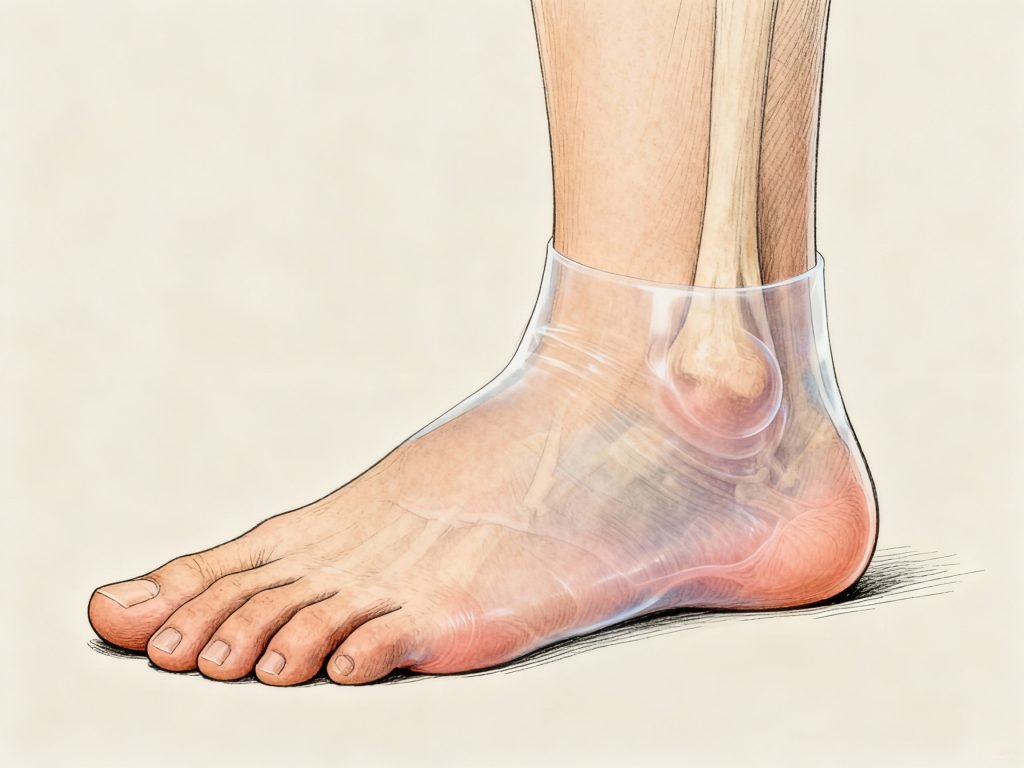
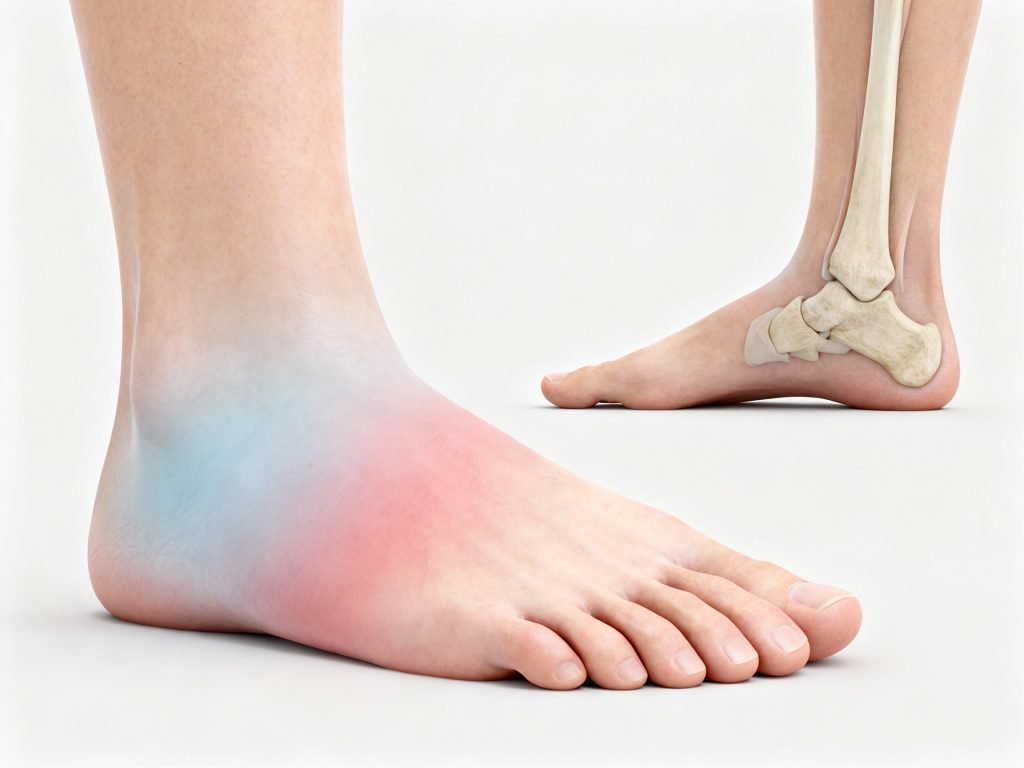
Foot and ankle swelling, also known as edema, occurs when fluid accumulates in the tissues of the lower extremities. It is a common condition that can affect people of all ages. Swelling can be mild and temporary or severe and indicative of a more serious underlying health condition.
What Causes Foot & Ankle Swelling?
Swollen feet and ankles can arise from many different factors, including:
- Prolonged standing or sitting — for example, if you commute long hours or stand at work much of the day.
- Injury: Sprains, fractures, or other injuries to the foot or ankle can lead to localized swelling due to inflammation or damage to the tissues.
- Heat: Warm weather can cause blood vessels to expand, allowing fluids to seep into the surrounding tissues, leading to swelling.
- Pregnancy: Hormonal changes and increased pressure on veins during pregnancy can cause fluid retention and swelling in the feet and ankles.
- Medications: Certain medications, including blood pressure drugs, steroids, and antidepressants, can cause edema as a side effect.
- Obesity: Excess weight can put additional pressure on the veins and contribute to fluid retention in the lower extremities.
- Venous Insufficiency: This condition occurs when veins in the legs have difficulty sending blood back to the heart, causing blood to pool in the legs and feet.
- Heart, Kidney, or Liver Disease: Serious conditions such as heart failure, chronic kidney disease, or liver disease can cause fluid to accumulate in the legs, leading to swelling.
- Lymphedema: Damage or blockage in the lymphatic system can cause fluid buildup, leading to chronic swelling.