Thank you for reading this post, don't forget to subscribe!
Introduction
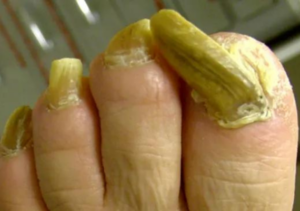
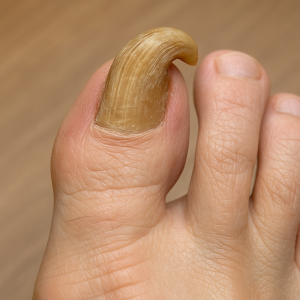
Onychogryphosis is a nail disorder marked by thickening and extreme curvature of the nail plate, most often affecting toenails. The condition can lead to discomfort, difficulty walking, and aesthetic concerns. Timely diagnosis and proper care can significantly improve outcomes.
Onychogryphosis, commonly referred to as “ram’s horn nails,” is a condition characterized by the abnormal thickening and curvature of the nails, usually affecting the big toes. The nails become hard, discolored, and claw-like in appearance, making them difficult to trim and maintain.
Causes of Onychogryphosis
- Trauma: Repeated injury or pressure on the toenail, often from ill-fitting shoes or direct trauma.
- Neglect: Long-term neglect in nail care can lead to severe thickening and deformity.
- Aging: Older adults are more prone to developing onychogryphosis due to reduced nail growth rate and increased susceptibility to nail disorders.
- Circulatory Issues: Poor blood circulation to the feet can contribute to nail deformities.
- Genetics: There may be a hereditary component, making some individuals more prone to the condition.
- Other Medical Conditions: Conditions such as psoriasis, fungal infections, and ichthyosis can lead to onychogryphosis.